The All Hazards Consortium (AHC) is an officially recognized non-profit entity with 501c3 status, established in 2005. It is dedicated to facilitating the exchange of sensitive information and addressing challenges across various areas such as crisis management, business continuity, risk management, cyber security, transitioning research, homeland security, and enhancing the resilience of supply chains. The AHC's main goal is to enhance the collaboration between public and private sectors in terms of planning and operational communication, aiming to expedite the recovery of businesses and communities after disruptions or disasters occur.
Trending Information
|
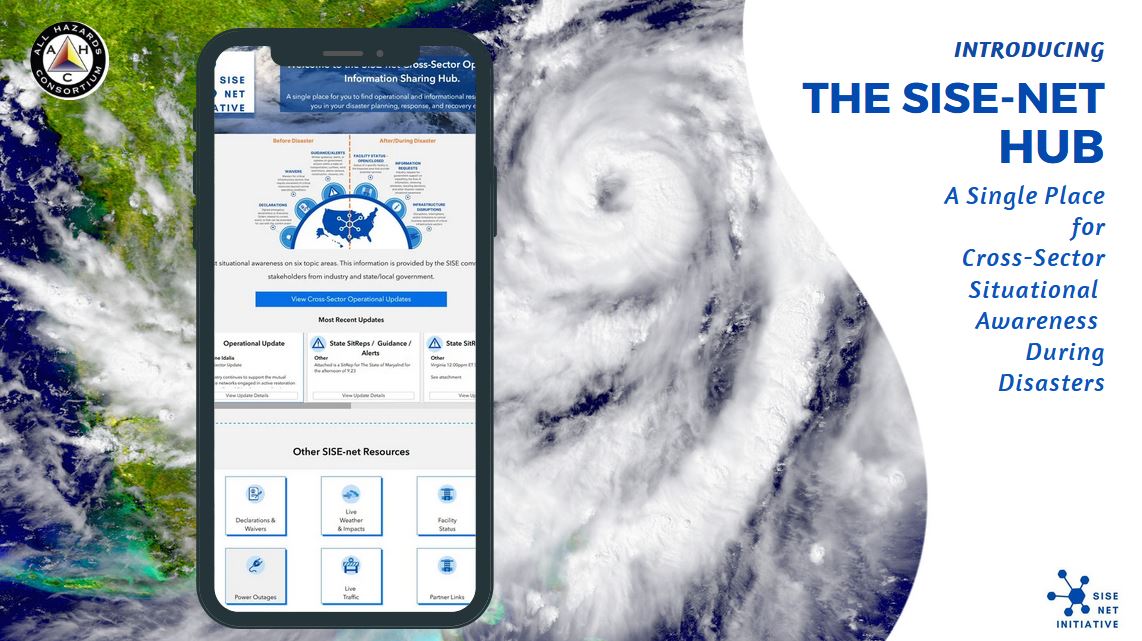
The SISE-net Operational Information Sharing Hub A centralized platform where you can sign in to access both operational and informational resources designed to assist with your disaster preparedness, response, and recovery activities. Learn more... |
|
|
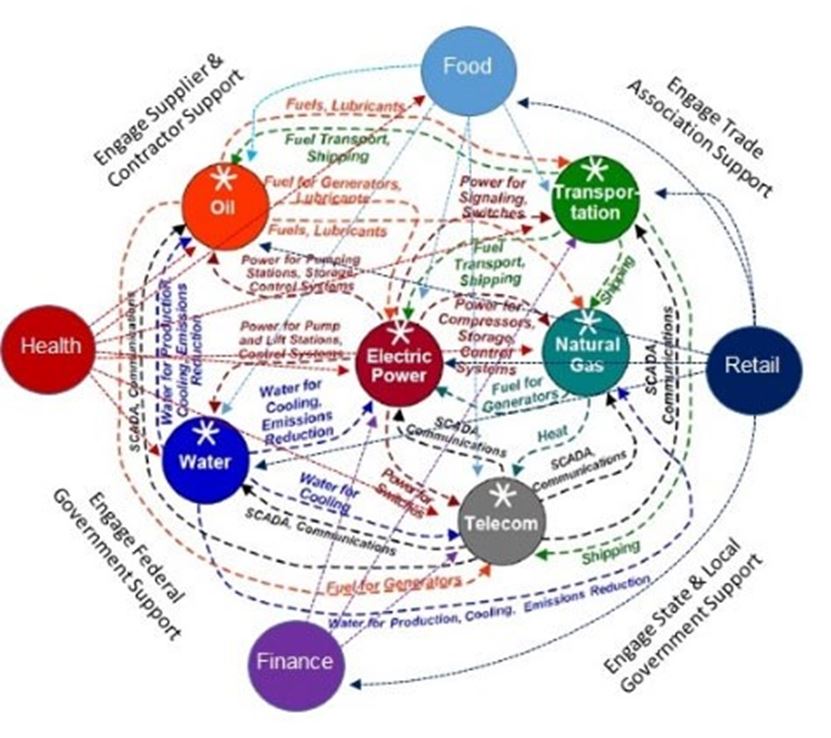
Critical Infrastructure Resilience The All Hazards Consortium (AHC) is a network of organizations and individuals who work together to improve the capacity of a region to prevent, prepare for, respond to, and recover from crises. During a natural disaster, the AHC can impact critical infrastructure in several ways:
Overall, the AHC plays a critical role in helping to protect and restore critical infrastructure during a natural disaster, and in ensuring that the region is able to recover and return to normal operations as quickly as possible. The AHC can impact critical infrastructure during a natural disaster:
|
|
|
Mitigation and Resilience Equipping the upcoming generation of professionals in hazard mitigation and resilience with the skills to devise innovative and impactful strategies, resources, projects, and solutions aimed at lowering infrastructure risks and boosting community resilience. Learn more... |
|
|
Disaster Management Introducing a collaborative approach for the industry to partner with state and federal governments in preparing for, responding to, and recovering from any kind of regional incident, disaster, accident, or disruption. This involves jointly creating a centralized hub for compiling information on disasters or crisis responses, aimed at aligning situational awareness and decision-making processes between states and industries. The outcome is a quicker restoration of businesses and communities to normal operations after disruptions. |
|
Sensitive Information Sharing
A new private sector operated "trusted" environment for sharing sensitive information w/government Enables "data-driven decision making" to effectively manage disruptions Leverages the SISE (Sensitive Information Sharing Environment) Results: Developing new disaster apps store to centralize information, apps, data and solutions to save time searching across thousands of government and industry websites |
|

|
Training & Education
>The AHC is dedicated to developing our leaders in government and industry.
Over the past 15 years, the AHC has had the pleasure of working with several thousand men and women who had acquired thousands of hours of experience and best practices. Additionally, they had families and loves ones who they cared deeply for that also required their time and energy. So who cares for the leaders? Who encourages the leaders? Who helps the leaders learn new skills and strategies to become better "thinkers"? Better people? Better professionals? Who gets leaders connected to communities of other leaders facing the same challenges....so they can relate and share experiences, lessons learned and even some laughs? The AHC's leaders have developed a new training "real-world" based approach that leverages unique content and instructors and partners, not available anywhere else The first set of courses focus on better preparing people at all levels of leadership for preparing and responding to natural disasters. It's called STORM School. Learn more ... |
Operational Solutions

|
|
|
STORM School
A Trade School For Crisis Managers How to leverage 200+ collective years of former electric sector “storm boss” experience, expertise, and observations into actionable insights and steps you can take in the next storm or disaster. Learn more... |
The SISE-net Operational
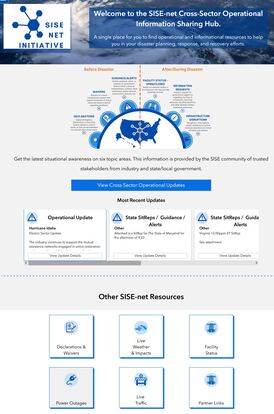
Information Sharing Hub The AHC's SISE-net hub is designed to "sync" operational situational awareness information between industry and state government people and systems on specific topics to streamline operational coordination and communication during disasters to reduce delays and save lives. Learn More... |
|
What People Say
“This initiative (the AHC’s data driven decision making initiative) will change the way industry and government plan for, respond to and recover from emergencies and disaster in the future.”
Electric Sector Operations Executive, Duke Energy “The Consortium operates the "enabling trust framework" that allows government and the private sector to jointly come together to plan, respond and recover faster to regional incidents via innovative information sharing processes and solutions that benefit multiple states, companies in many sectors and federal agencies year round."
FEMA Executive "During floods and storms that cause power extended power outages, the AHC's unique real-time services provides our County Executive and senior leadership with the ability to better inform the public and county first responders on where they can purchase gas, coffee, food, water, medicine, medical supplies and hotel rooms.“
Director Emergency Management, County Government |
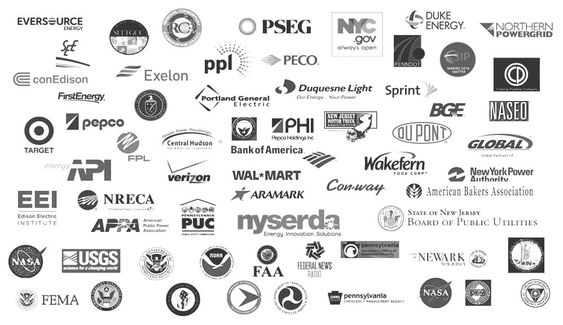
Over 50,000+ Nationwide Stakeholders in Industry and Government
“In my 35+ year career in the utility sector, I have never seen the private sector and government operations people work so closely together to produce real solutions to improve each other’s disaster preparedness, response and recovery efforts.” Electric Sector Operations Executive, Retired |